ARCTIC: NEW FRONTIER
In 2018, Yuri Kozyrev and Kadir van Lohuizen carried out a pioneer double polar expedition with the support of the 9th edition of the Carmignac Photojournalism Award dedicated to the Arctic. From June through September 2018, they covered 15,000 km of the Arctic Circle simultaneously, Yuri from the Russian side and Kadir from the western passage. Their investigative photo reportage Arctic: New Frontier focuses on the consequences of the melting sea ice for the planet, and the medium-term prospect of its total disappearance. From Russia to Norway, Greenland, Canada and Alaska, the two photographers, in their respective areas of research, explored key issues affecting the Arctic – the opening of new trade routes, the militarization of borders, the search for mineral resources, polar tourism, etc. – and their impact on our daily lives. As they explain, “The melting of the polar sea ice is in the process of changing the map of the world forever. In visiting all the affected regions and countries in one expedition and by showing how the different players – starting with Russia and the U.S. – are working on conquering the North Pole, we are revealing how the impact of climate change in the Arctic is of global significance for the rest of the world.” – Kadir van Lohuizen and Yuri Kozyrev
Make your house feel like home
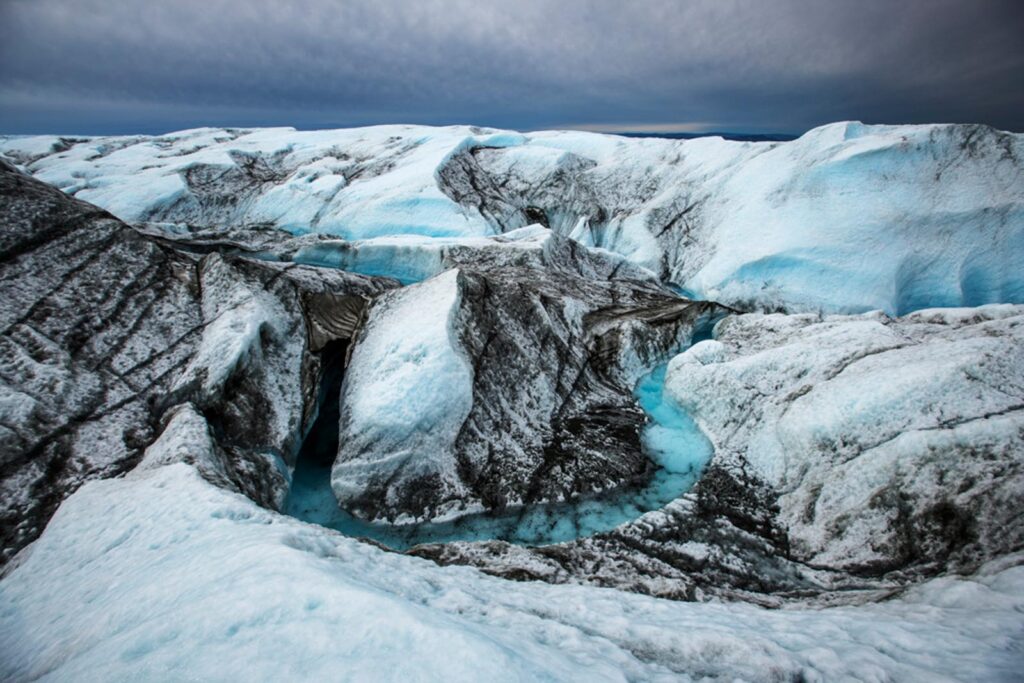
GREENLAND, JULY 2018
The edge of the ice sheet close to Kangerlussuaq. In front of a river of meltwater. Due to climate change the ice sheet slowly melts, not only do glaciers retreat at a rapid speed, the ice sheet itself melts forming melting streams and reservoirs — this meltwater forms underground rivers.
© Kadir van Lohuizen / NOOR for Carmignac Foundation
Quality Materials
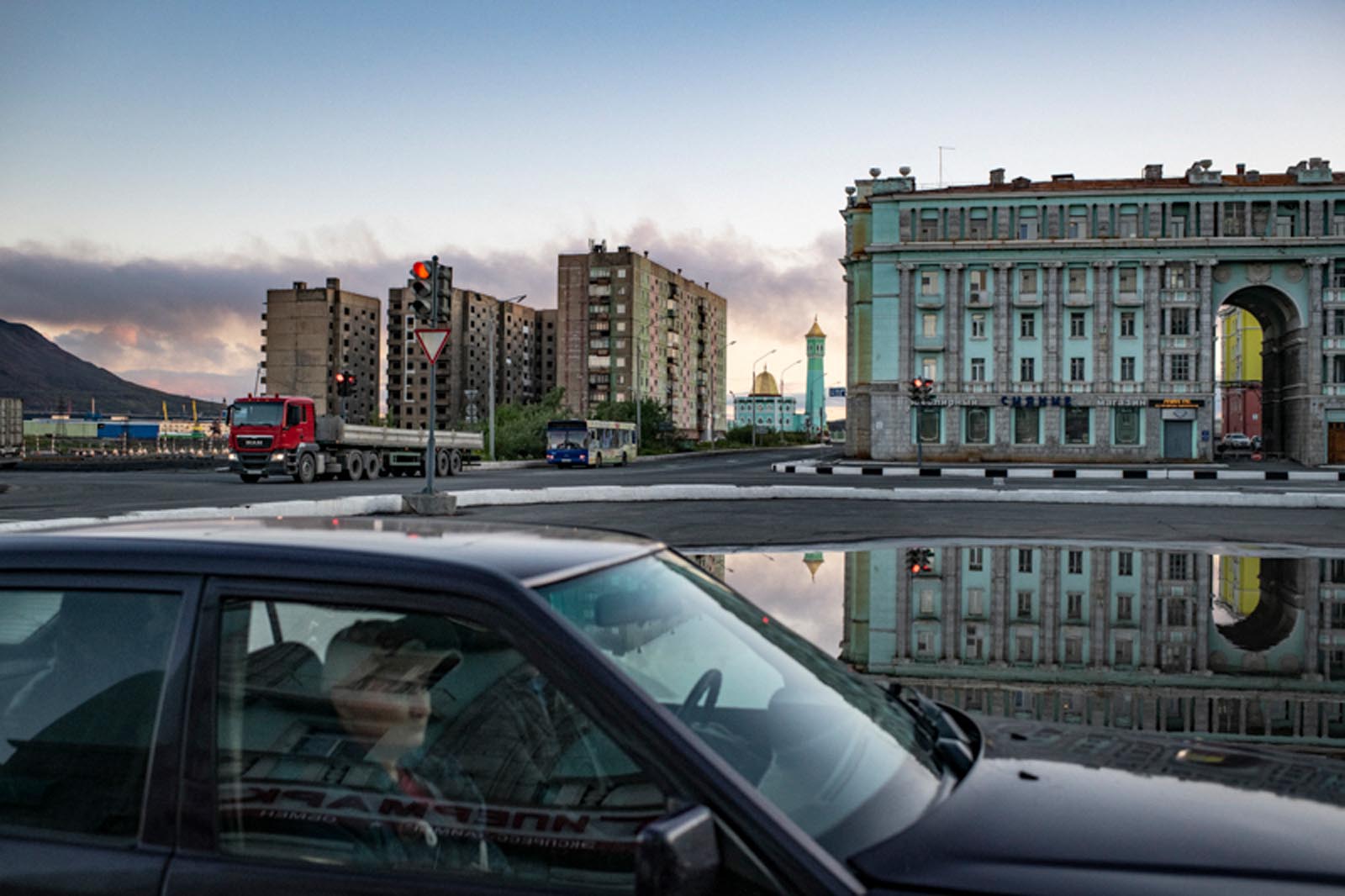
NORILSK, RUSSIA. JULY 2018
A car passing by the central square of Norilsk (Lenin square).
The city of Norilsk was constructed in the 1930-1940’s by famous soviet architects, prisoners of Norilsk labor camp of the GULAG system. Starting as a remote and isolated Soviet Arctic outpost in the 1920s, development of Norilsk occurred rapidly after the discovery of vast amounts of nickel and other metal ores. Despite being located in one of the most extreme cold climates on Earth, the city’s population increased from a few hundred to over 180,000 over the course of about 50 years, making it the largest and most densely inhabited Arctic city built on permafrost. Serving as a de facto full-scale Arctic laboratory for architecture, urban design, and construction techniques, progress occurred at great cost to the workers and prisoners who built the city. The result – a hybrid of socialist classicism and modernist architecture and city planning adapted to extreme conditions – is in many ways as improbable and extreme as the Arctic environment itself. But beneath the apparently singular and uncompromising form of Norilsk lies an important legacy of effort to create a functional, efficient, and livable city in the Arctic.
© Yuri Kozyrev / NOOR for Carmignac Foundation
KADIR VAN LOHUIZEN
YURI
KOZYREV
Born in The Netherlands in 1963, Kadir van Lohuizen started his career as a photo-journalist in 1988 by reporting the Intifada. During the mid-1990s, he covered conflicts in Africa and the aftermaths of the dissolution of the Soviet Union. He is best known for his long-term projects documenting seven rivers of the world, which he roamed from source to mouth. He also documented the rising of sea levels and its consequences, the diamond industry, the post-Katrina period in the USA, violences against women and migration in the Americas. Kadir has received numerous prizes and awards in photojournalism. His environmental project ‘Wasteland’ won the first World Press Photo Prize in the Environmental category. In 2018, he was the co-laureate with Yuri Kozyrev of the 9th Carmignac Photojournalism Award, which supported the production of ‘Arctic: New Frontier’, their double polar expedition documenting the consequences of the climate crisis. Kadir van Lohuizen is a frequent lecturer and photography teacher, based in Amsterdam.
As a photojournalist for the past 25 years, Yuri Kozyrev (Russia, 1963) has witnessed many world changing events. He started his career documenting the collapse of the Soviet Union, capturing the rapid changes in the former USSR for the L.A. Times during the 90s. In 2001, Yuri Kozyrev started to cover international news, working in Afghanistan and Iraq as a photographer for TIME Magazine. Since 2011, Yuri Kozyrev has been documenting the “Arab Revolutions” and their aftermaths in Bahrain, Yemen, Tunisia and specifically in Egypt and Libya. Since 2015, he covers the conflict in eastern Ukraine, the rise of Russian nationalism and the migrant crisis in Europe. Yuri Kozyrev has received numerous honors for his work, including severalWorld Press Photo Awards, the OPC’s Oliver Rebbot Award, the ICP Infinity Award for Photojournalism, the Frontline Club Award, the Visa d’or News and the PrixBayeux-Calvados, and was named 2011 Photographer of the Year in the Picture Of the Year International competition. In 2018, he was the co-laureate with Kadir van Lohuizen of the 9th Carmignac Photojournalism Award, which supported the production of ‘Arctic: New Frontier’, their double polar expedition documenting the consequences of the climate crisis.