
Your cart is currently empty!
Katie Orlinsky
CHASING WINTER
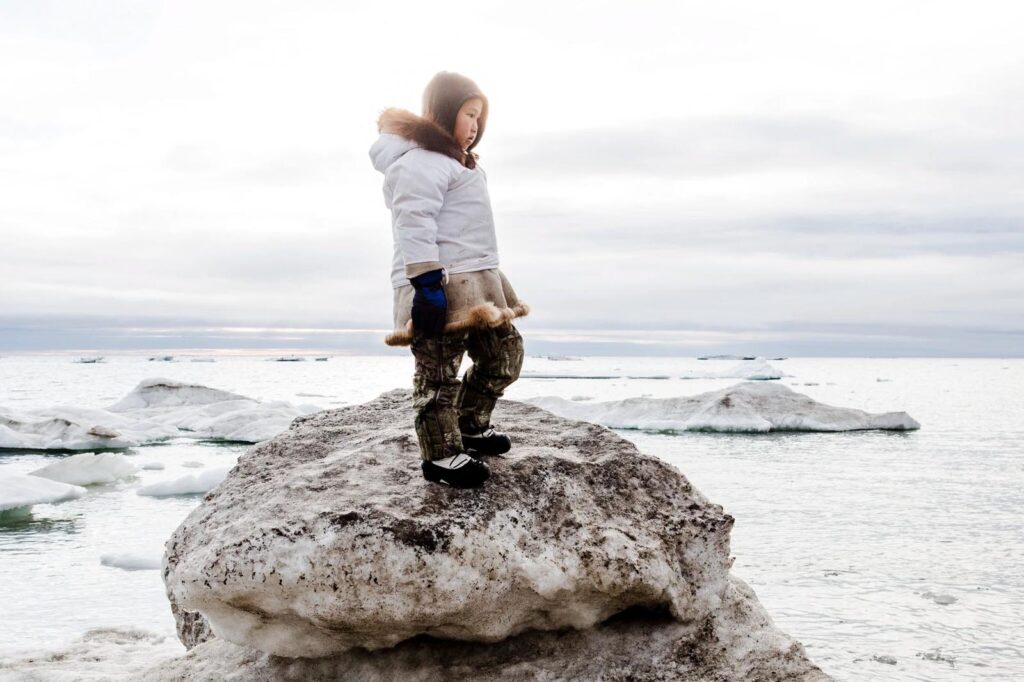
July 2019 was officially the warmest month in Alaskan history, and Utqiagvik, the northernmost town in the United States, has been labeled “ground zero for climate change.” A child’s first seal hunt is an important rite of passage, especially now as these traditions are being challenged as a result of climate change. For thousands of years, Inupiat villagers along Alaska’s North Slope have hunted marine mammals such as seal, walrus, and whale. Hunting, fishing, and foraging for food, known as subsistence, remains one of the most significant aspects of life in Inupiat communities.
Climate change is an urgent crisis that will affect everyone on the planet, and for millions of people it already has. Nowhere is this clearer than the Alaskan Arctic. Scientists call Alaska “ground zero” for climate change, and this past July was the hottest month on historical record. But climate change in Alaska means more than just warmer weather; it means devastating wildfires, intense storms, vanishing sea ice, retreating glaciers, thawing permafrost, and diminishing natural habitats affecting both animal species and the people who depend on them.
Make your house feel like home
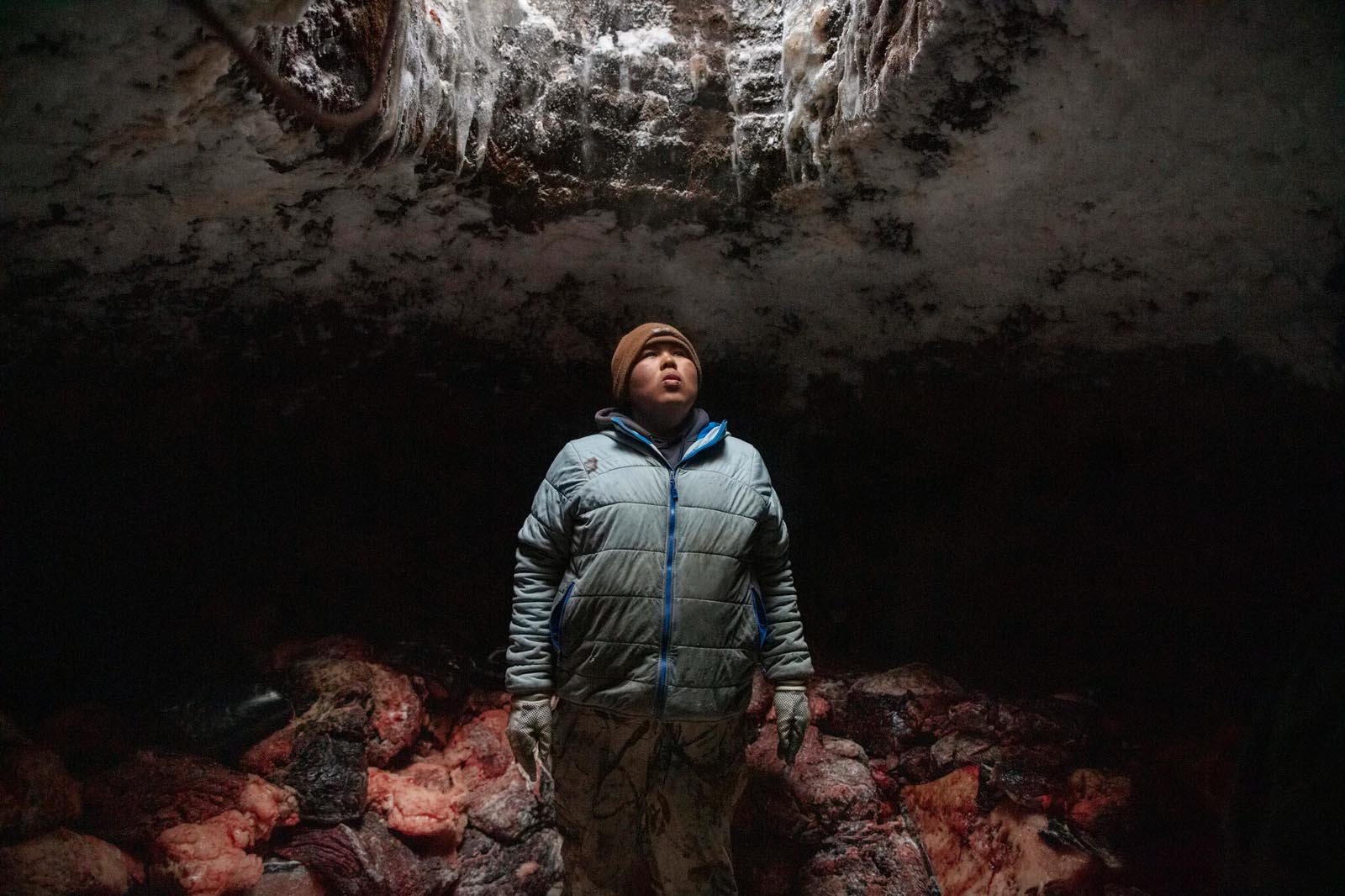
After a successful hunt, Josiah Olemaun, a young whaling crew member takes a break from moving and stacking whale meat into his family’s ice cellar in Utqiagvik, Alaska. April 29th, 2018. Ice cellars are generations-old massive underground freezers dug deep into the permafrost. As permafrost thaws it is wreaking havoc, melting what used to be permanently frozen ground and destroying and flooding many ice cellars. Others have warmed up to a point that they are unusable, spoiling whale meat and other crucial hunted foods.
Quality Materials
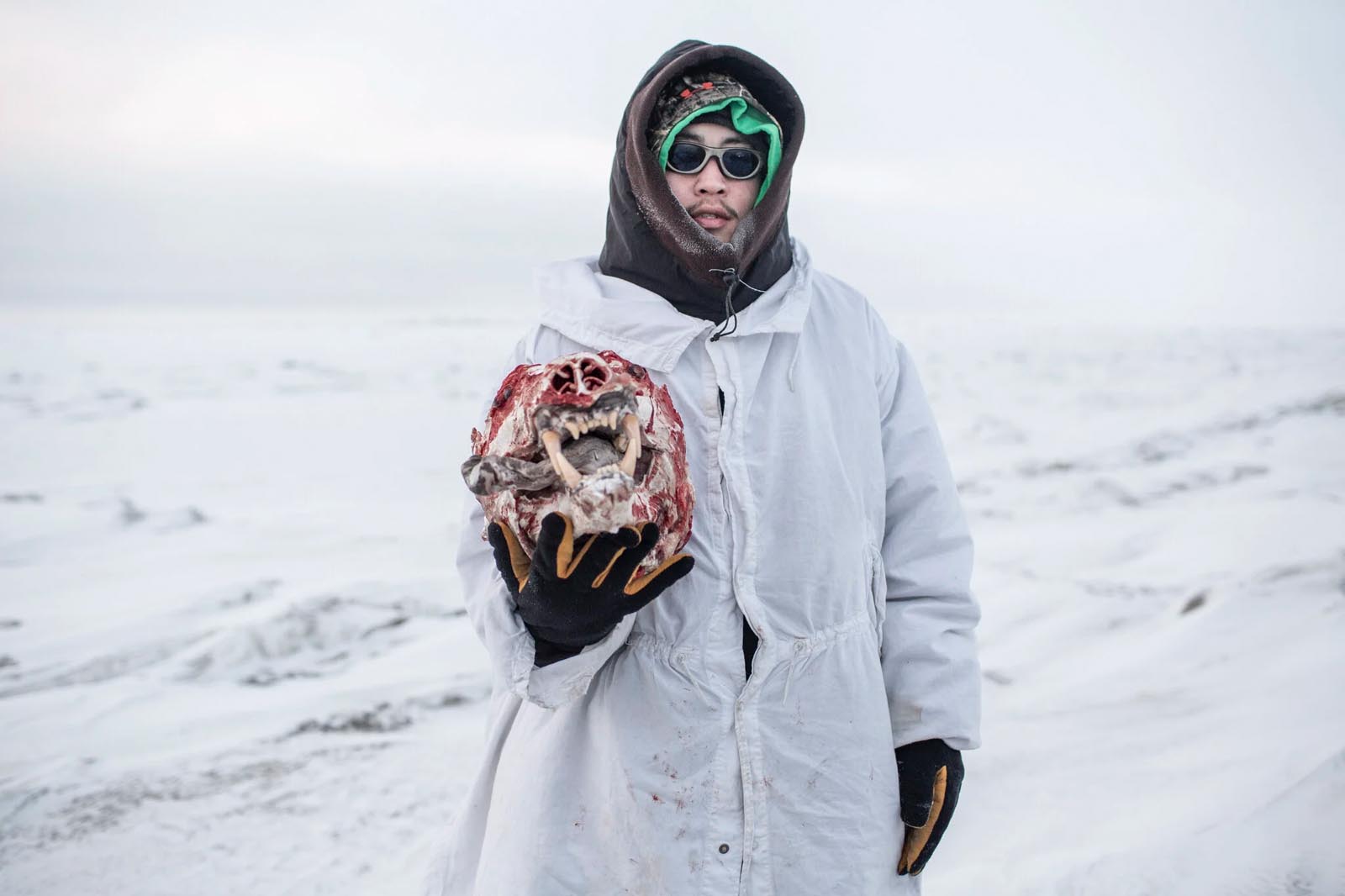
Nelson Nayokpuk of the Herman Ahsuak whaling crew in Utqiagvik, Alaska holds a polar bear skull they shot and killed the day before when it tried to eat their seal skin canoe. April 19th, 2016. Polar bears have grown increasingly hungry as melting sea ice affects their ability to hunt seals on the Arctic Ocean ice sheet. More and more bears are coming into whaling villages like Utqiagvik to feed off scraps and bones during the annual subsistence whale hunt. The massive influx of polar bears makes another issue in the community a larger issue-thawing permafrost destroying traditional ice cellars (generations-old massive underground freezers dug deep into the permafrost). Now, community members are forced to store their hunted food above ground, which attracts bears. The more climate change forces polar bears to interact with humans, the more dangerous it is not only for humans, but the already vulnerable polar bear species, who will be shot and killed as self-protection.
KATIE ORLINSKY
Katie Orlinsky was born and raised in New York City and began her career as a photographer thirteen years ago. She has photographed all over the world documenting everything from conflict and social issues to wildlife and sports. For the past five years Katie’s work has focused on climate change, exploring the transforming relationship between people, animals and the land in the Arctic. Katie is a contributing photographer with National Geographic and work is frequently published in The New York Times, The New Yorker, and Smithsonian Magazine among others. She has won numerous awards over the course of her career from institutions such as the Art Director’s Club, PDN30, Visa Pour L’image and Pictures of the Year International. She was the 2016 Getty Images Grant for Editorial Photography winner and the 2016 Paris Match Female Photojournalist of the Year. She received a Masters’s degree in Journalism from Columbia University, and in 2018 was named the Snedden Chair of Journalism at the University of Alaska Fairbanks.